
Uzbekistan Puts Forward Three International Initiatives to Conserve Biodiversity at Leaders for Nature Summit
2026-10-19 11:00:00 / News

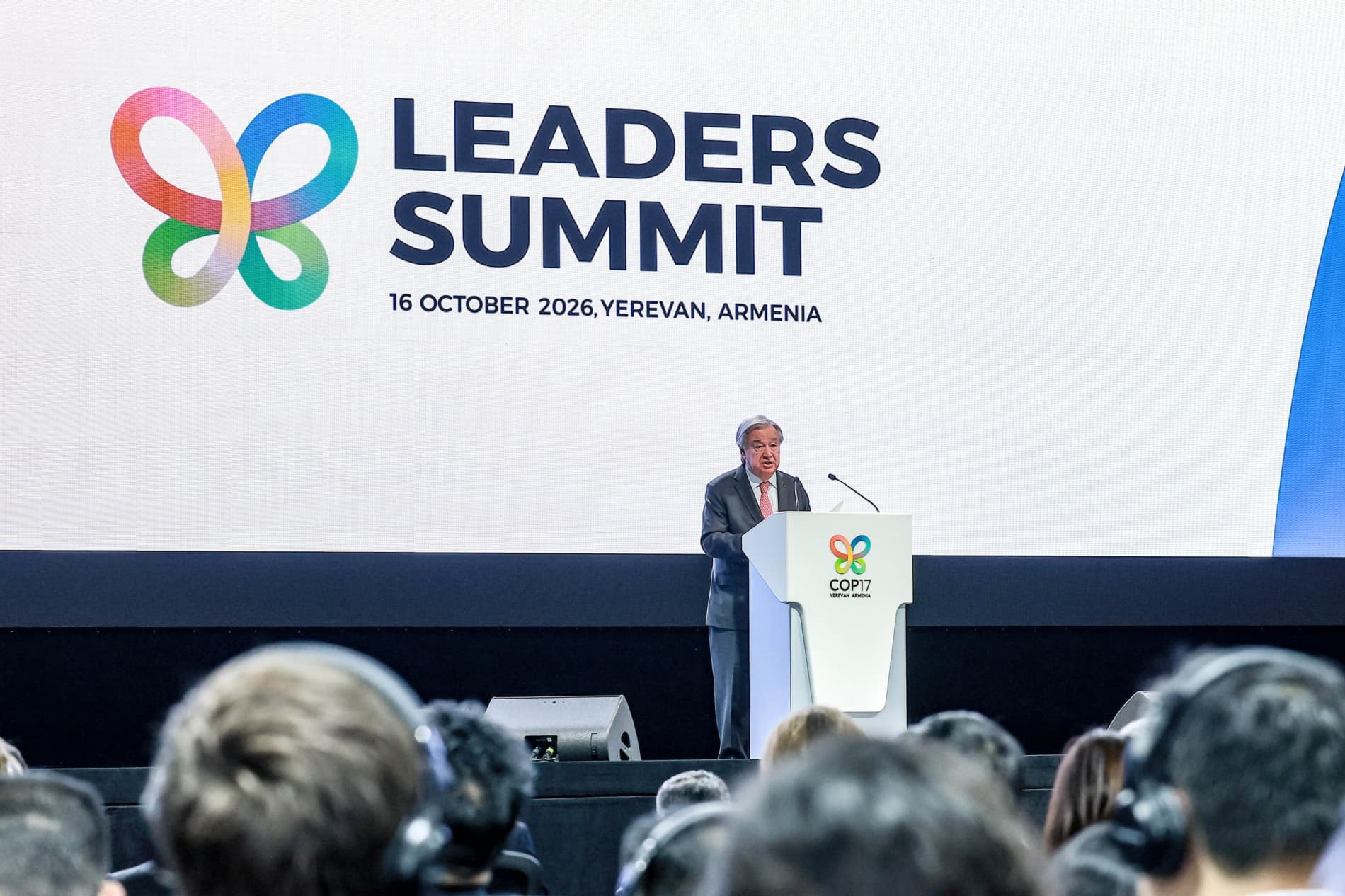
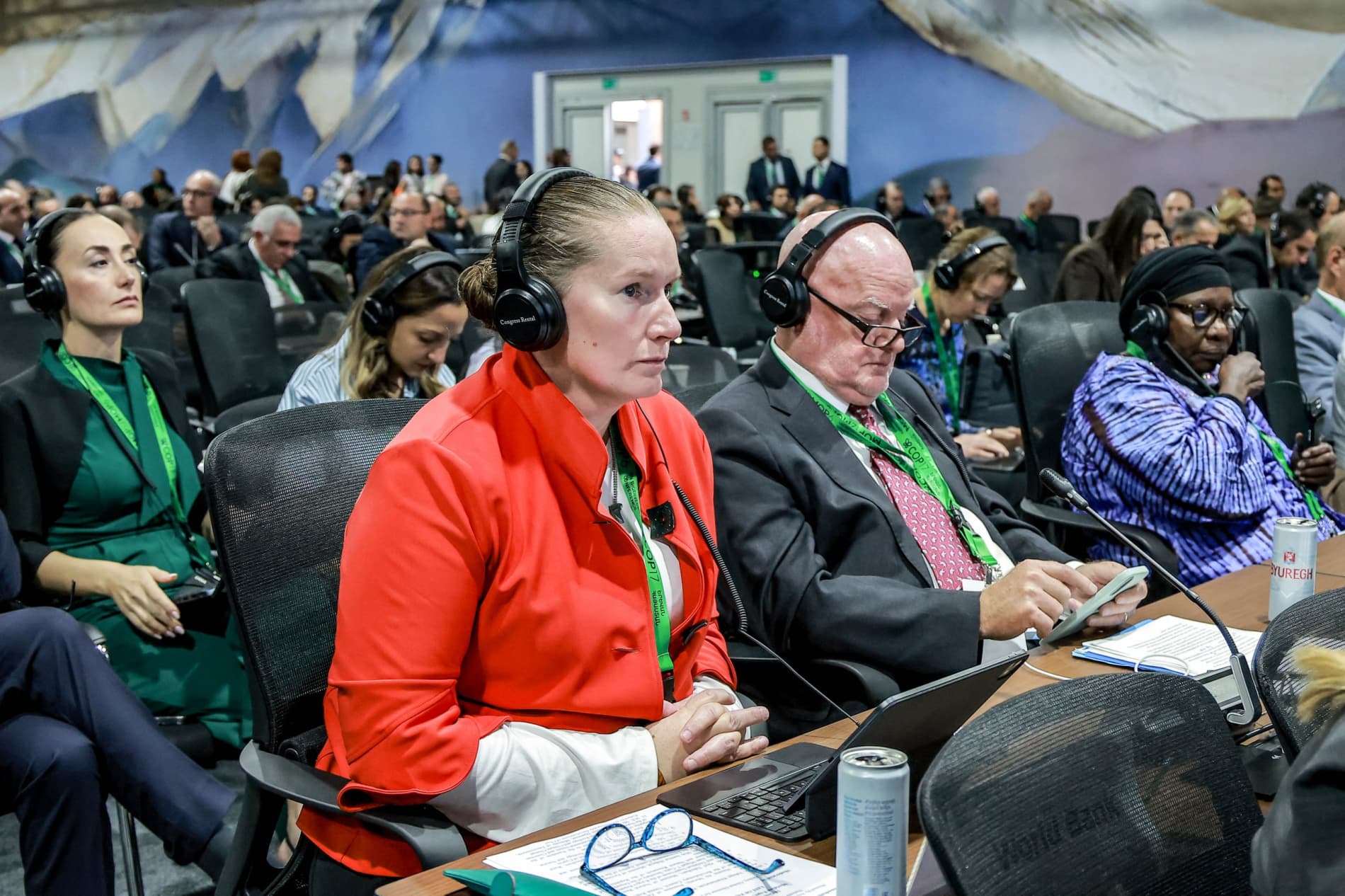
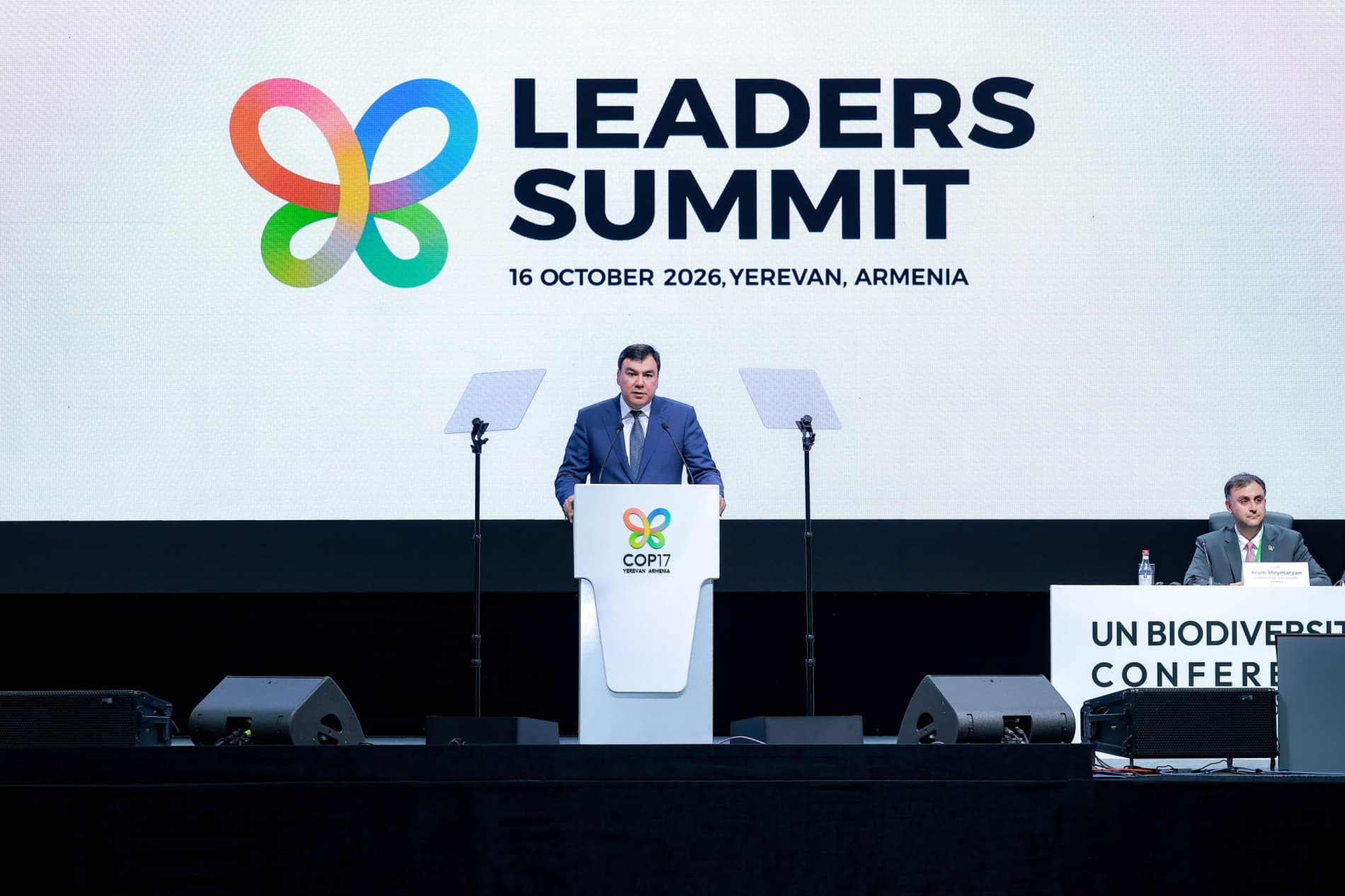
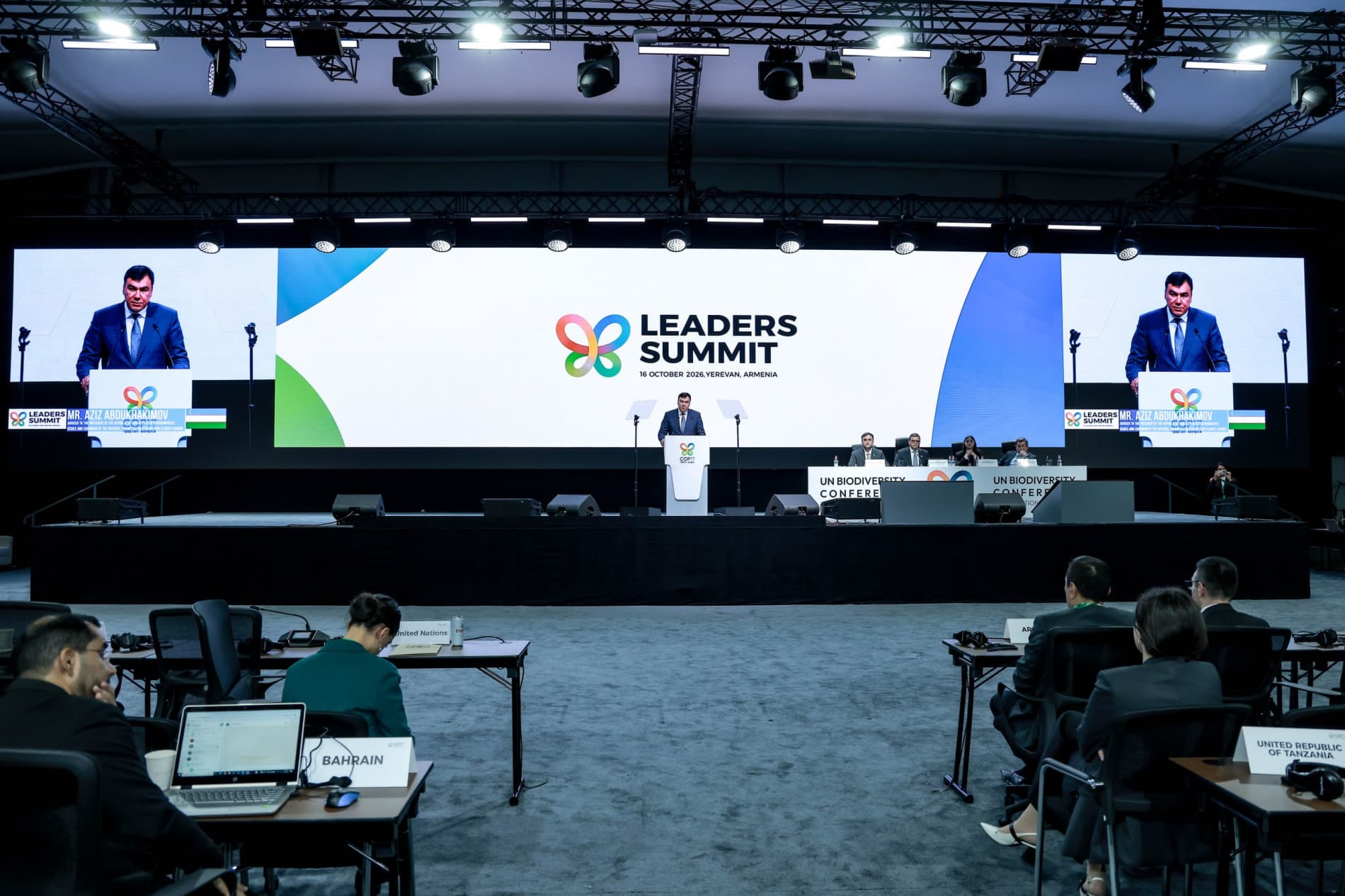

The summit focused on the implementation of the Kunming–Montreal Global Biodiversity Framework, preparations for the first global review of its implementation at COP17, improvements to national reporting, the mobilisation of financial resources and the strengthening of international cooperation.
The event brought together heads of state and government, UN Secretary-General António Guterres, and leaders of international and environmental organisations. Participants discussed practical measures to restore ecosystems, conserve endangered species, expand conservation financing and fulfil international biodiversity commitments. One of the key targets of the Global Biodiversity Framework is to ensure that, by 2030, at least 30% of terrestrial, inland water, coastal and marine areas are effectively conserved and managed.
In his address, Aziz Abdukhakimov presented the results of environmental reforms underway in Uzbekistan. In particular, the share of the country’s territory designated as protected areas has increased from 4% in 2016 to approximately 15%. Under the "Bio Meros" programme, national targets have been set to increase this share to 20% by 2030 and 30% by 2035.
Particular attention was also given to strengthening the national environmental enforcement system, establishing the Ecopolice, and increasing fines for violations of environmental legislation by 40%. The address also highlighted the preparation of Uzbekistan’s Seventh National Report under the Convention on Biological Diversity and a substantial increase in funding for environmental protection measures. Over the past four years, expenditure on biodiversity conservation has more than tripled, reaching USD 1 billion. Uzbekistan’s key priorities include restoring degraded ecosystems, introducing digital monitoring technologies, conserving rare animal and plant species, and expanding regional cooperation to protect transboundary natural areas.
To strengthen regional cooperation and attract international investment, advanced technologies and scientific expertise, Uzbekistan presented three initiatives at the summit.
The first initiative proposes the establishment of an International Hub for Dryland Ecosystems to advance scientific research, restore degraded land and conserve biodiversity in desert ecosystems, including the Aral Sea region.
The second initiative proposes establishing a Central Asian and Caucasus School of Artificial Intelligence for Nature Conservation at Green University and launching the AI-Ranger programme. The initiative aims to train specialists in the application of artificial intelligence, satellite monitoring and unmanned technologies to detect poaching, illegal logging and wildfires.
The third initiative envisages the establishment, by 2030, of a Central Asian Network of Transboundary Protected Areas, with five priority landscapes identified. The network would facilitate coordinated efforts to restore ecosystems, maintain wildlife migration corridors and protect rare species, including the saiga antelope and the snow leopard.
The implementation of these initiatives will help strengthen regional cooperation, mobilise international funding and facilitate access to advanced technologies, while reinforcing Uzbekistan’s role in global biodiversity conservation efforts.